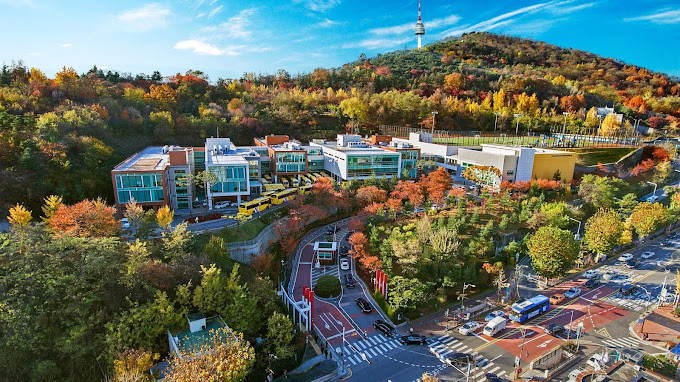

About Dwight School Seoul
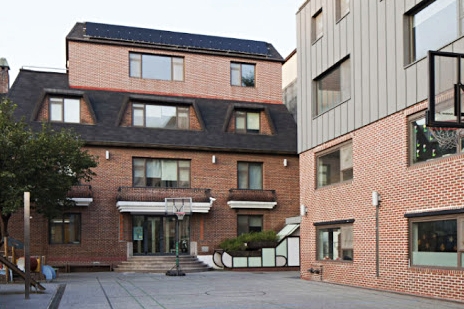
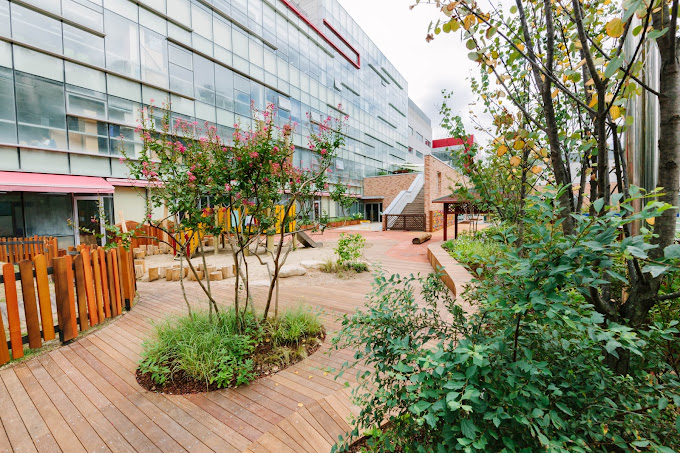
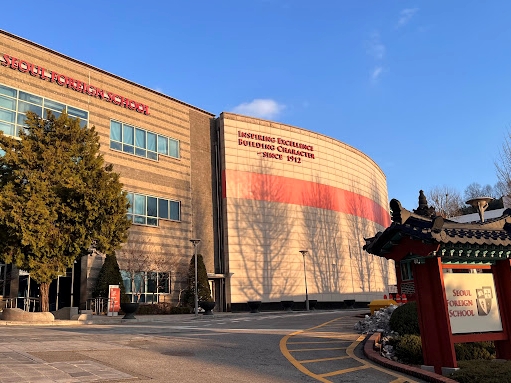
Dwight School Seoul opened in 2012 at 21 World Cup Buk-ro 62-gil, Mapo-gu, in the Sangam-dong area of western Seoul. The school describes itself as Seoul’s first IB Continuum World School. It also says it was the only school the Seoul Municipal Government selected to open a model IB World School in Seoul.
IB Continuum: PYP, MYP and DP
Dwight School Seoul is a fully authorized IB Continuum school. It offers all three International Baccalaureate programmes, preceded by an Early Childhood Division:
- Early Childhood Division (ECD): preschool and kindergarten
- Primary Years Programme (PYP): Grades 1–5
- Middle Years Programme (MYP): Grades 6–10
- Diploma Programme (DP): Grades 11–12
Grade levels
The school has three divisions: the Early Childhood Division, the Lower School (Kindergarten to Grade 5) and the Upper School (Grades 6 to 12).
Part of the Dwight global network
Dwight School Seoul belongs to the global network of Dwight Schools. The network’s history goes back to 1872, when Dwight School opened in New York City. Other Dwight schools include New York, London, Shanghai, Dubai, Hanoi, Cairo and Jersey City, plus Dwight Global Online School.
School year
According to the official 2026–2027 academic calendar, the first day of school is 19 August 2026 and the school year ends on 18 June 2027. The full calendar is on the school’s calendar page.
Dwight School Seoul Admissions Process
Who can apply
As a foreign school, Dwight School Seoul can only enrol students who meet Korean government requirements for foreign schools. The school lists these cases:
- One or both parents hold a foreign passport. The school asks for the student’s and parents’ passports, a birth certificate or Korean Family Registry, and the parents’ valid Residence Cards (ARC).
- Both parents hold Korean passports. The student must show at least 1,095 days outside Korea or at least six semesters of schooling abroad, proven by a Certificate of Entry and Departure.
- Dual citizens. The school asks for both passports with entry/exit records, the parents’ Basic Certificate (기본증명서) and an official letter from the student’s local school.
- Naturalised Korean citizens may be eligible under the Elementary and Secondary Education Act, if they are deemed unable to continue at their current school.
The school notes that it is not recognised as equivalent to a Korean domestic school. Students who later transfer to a Korean school or apply to a Korean university may need the Korean High School Equivalency Examination (검정고시) or other qualifications.
Application steps
- Submit an inquiry online or by phone to confirm eligibility.
- Visit the school for a personalised campus tour, or book a virtual meeting if you are overseas.
- Submit the online application and pay the non-refundable application fee. Supporting documents are uploaded or arranged after submission.
- Complete the interview and assessment. The school arranges this once it has the application, fee and documents.
- Admission review and decision: the Admissions Committee reviews each applicant holistically.
- Acceptance: families are told by email and receive an offer with next steps.
Required documents include passports for the student and both parents and Alien Registration Cards for foreign passport holders. Families also need a family registry or birth certificate, entry/exit statements where needed, a New Student Health Form and official transcripts for the current and previous two years. Teacher recommendations depend on the grade:
- Early Childhood: a report from the current or previous school, where applicable.
- Lower School: one recommendation from the homeroom teacher.
- Upper School: two recommendations, one from the English Language Arts teacher and one from another subject teacher.
Transcripts and recommendations must be sent directly by the current school. Records that are not in English need an official English translation. The school cannot review incomplete applications.
Assessment
The assessment and interview usually take 1.5 to 2 hours and are adapted to the child’s age. They look at academic readiness, English proficiency where applicable, learning profile and fit with the IB environment. Overseas applicants can interview online. Diploma Programme applicants (Grades 11–12) have an extra interview with the Upper School Principal and the IB Diploma Programme Coordinator. The relevant Principal and the Head of School make the final decision.
Tuition and fees
Tuition is set by division. The school lists application fees, optional costs such as busing and meals, and additional MYP and DP fees separately. See the current figures in the official Tuition & Fees section.
Seoul Japanese School
The Seoul Japanese School (서울일본인학교) sits next to Dwight School Seoul on World Cup Buk-ro 62-gil in Sangam-dong, Mapo-gu. Families interested in the Japanese curriculum should contact the school directly for enrolment details.
Official sources: Dwight School Seoul, Admissions Process, Academics, Calendar.
Homes near Dwight School Seoul
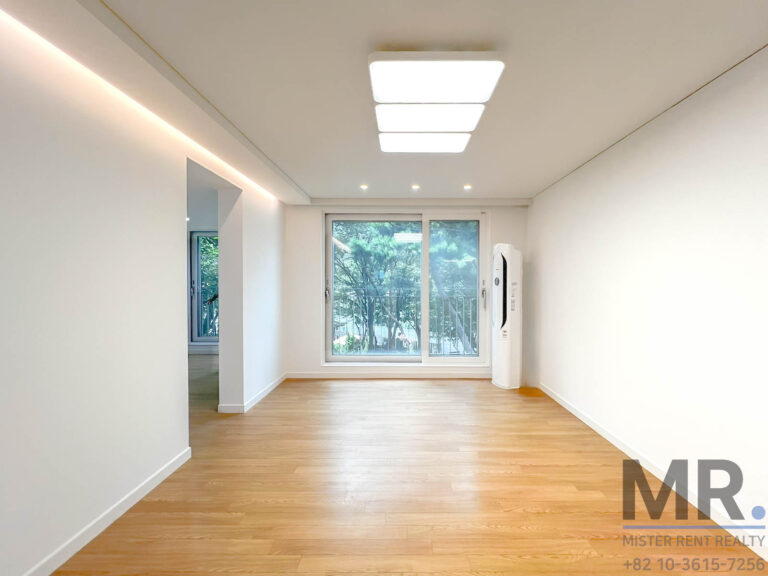
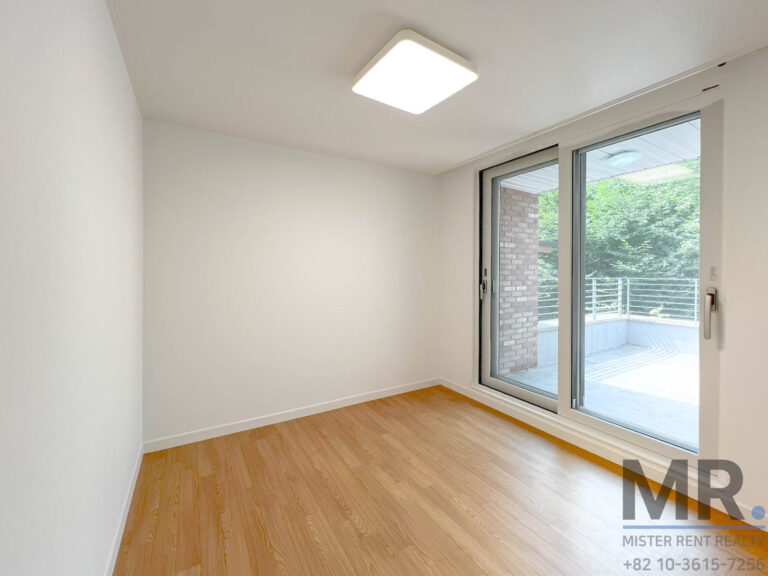
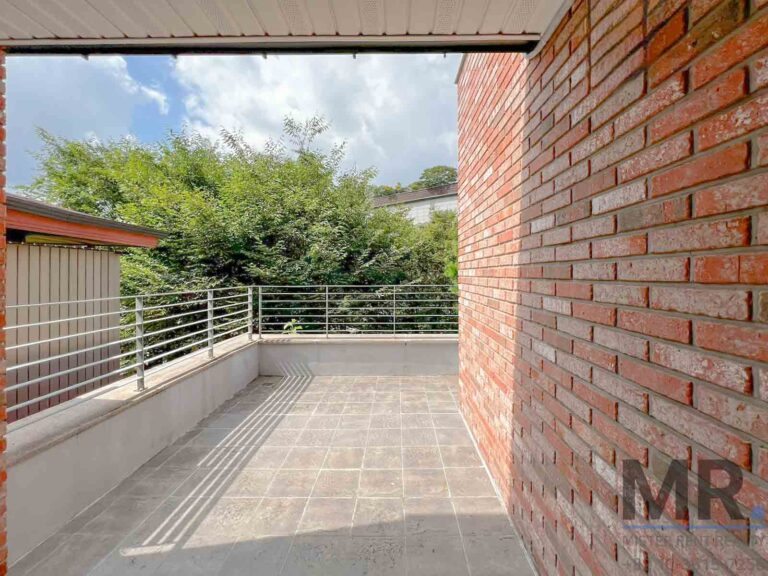
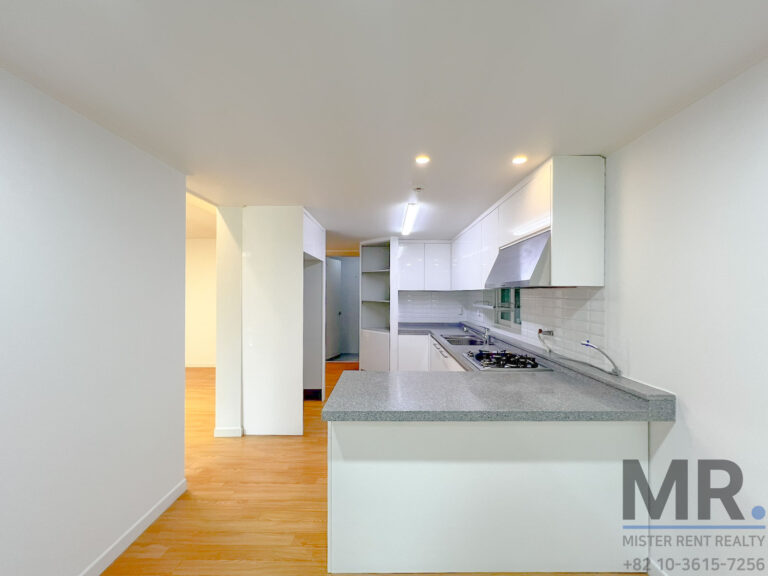
Families at Dwight often look at rentals in Yeouido, Gongdeok and Mapo. Some read up on living in Mapo, and others prefer the quieter streets of Yeonhui and Hapjeong. Browse our current homes near Dwight School and the Japanese School. Tell us your child’s start date and we will shortlist homes that fit the school schedule.