
About Dulwich College Seoul
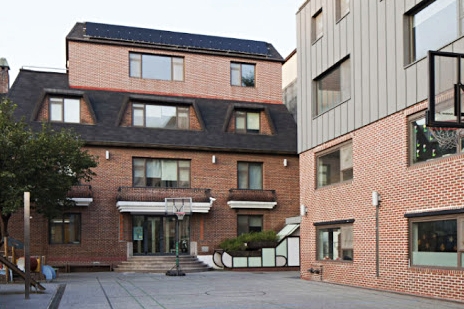
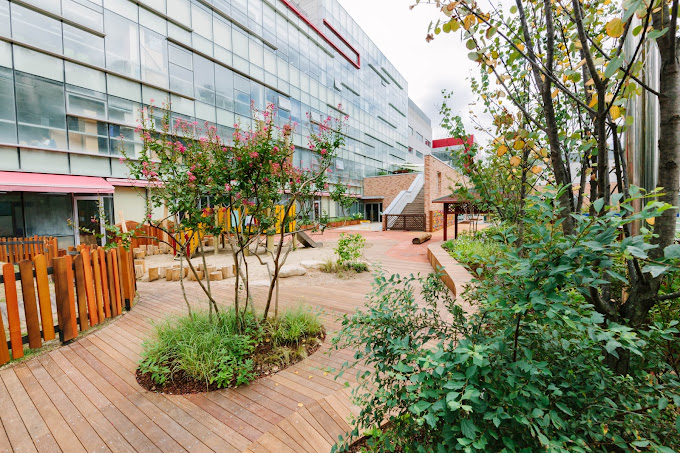
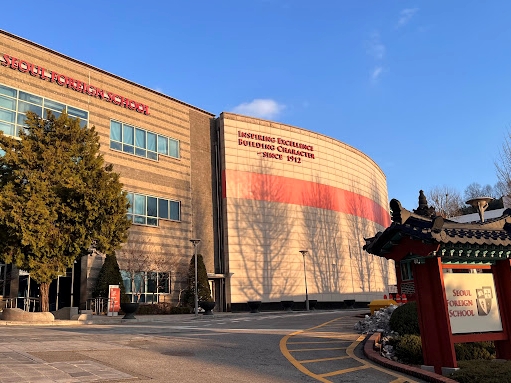
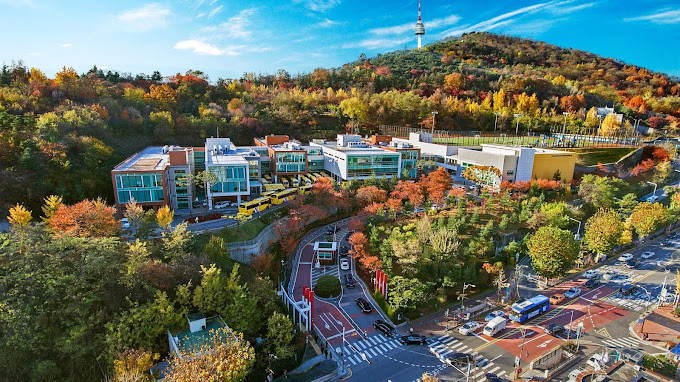
Dulwich College Seoul is a British international school in Banpo-dong, Seocho-gu, at 6 Sinbanpo-ro 15-gil, Seocho-gu, Seoul 06504. The school’s official profile gives 2010 as its founding year.
British curriculum
The school says its programme is based on the National Curriculum for England and Wales. According to its official school profile, students follow the English National Curriculum up to Year 9 (Grade 8), adapted for an international student body.
Age range
Dulwich College Seoul teaches students from Nursery to Year 13, ages 3 to 18, in three sections:
- DUCKS: ages 3 to 7
- Junior School: ages 7 to 11
- Senior School: ages 11 to 18
Students are generally placed by the age they reach before 1 September of the application year. The school publishes a Student Age Placement Guide.
IGCSE and IB Diploma
The Senior School programme leads to the IGCSE and the International Baccalaureate Diploma Programme (IBDP). The official school profile places the IGCSE in Years 10–11 (Grades 9–10) and the IB Diploma in Years 12–13 (Grades 11–12). Students joining in Year 12 are expected to take the full IB Diploma.
Dulwich family of schools
Dulwich College Seoul belongs to Education in Motion, which describes itself as a family of schools. Its founding school is Dulwich College in London, founded by Edward Alleyn on 21 June 1619. Dulwich College International has opened schools in China, South Korea and Singapore.
School year
The school year has three terms and runs from late August to late June. Current dates are on the official school calendar.
Dulwich College Seoul Admissions Process
Who can apply
Under current Korean rules for accredited foreign schools, a student must meet one of the following criteria:
- At least one parent does not hold Korean nationality. Parents must fully disclose their citizenship and provide passports, alien registration cards and any other documents requested.
- The student is a Korean national, including a dual citizen, who has lived abroad for at least three years or has completed three academic years at schools abroad. This must be supported by documents such as a Certificate of Entry and Departure or apostilled or verified academic credentials.
- The student is a naturalised Korean citizen whom the Head of School, after review by the School Governance Committee, judges would have difficulty continuing in school under Article 60-2(1) of the Elementary and Secondary Education Act.
The school asks families who are unsure whether they qualify to contact the Admissions team on +82 2 3015 8517.
Application steps
- Check eligibility against the criteria above.
- Submit an enquiry form to book a campus visit or an online consultation with the Leadership Team. Consultations take about 1.5 hours. Eligible families are then sent the online application and the document checklist.
- Submit the application form and the required documents. Applications are accepted all year, but most year groups have waiting lists.
- Complete the assessment. The school gives its decision 7 to 10 days afterwards.
- Enrol. Accepted students receive an invoice and confirm their place by paying a placement deposit.
Assessment
- Nursery and Reception: an informal play-based session of about 20 minutes with the Head or Deputy Head of Primary.
- Years 1–2: a short play-based assessment for applicants in Korea. Applicants abroad submit a Confidential Report from their current teacher or principal.
- Years 3–6: the CAT4 test, a writing task of 15 to 30 minutes and a meeting with the Primary Leadership Team.
- Years 7–13: the CAT4 test, a 60-minute writing task and a meeting with the Senior Leadership Team. From Year 10, students also submit subject choices and have an interview. Entry in the middle of Year 13 is considered only in very exceptional cases.
- Students whose first language is not English take an English as an Additional Language (EAL) assessment.
For students living abroad, a teacher at their current school can run the assessment for the school. In some cases it can be done online.
Tuition and fees
Tuition, the capital levy for new students and bus fees are listed in the school’s fee schedule. See the official Admissions page for the current schedule and payment terms.
Official sources: Dulwich College Seoul, Admissions Overview, Senior School, Our Origins, School Calendar, Contact.
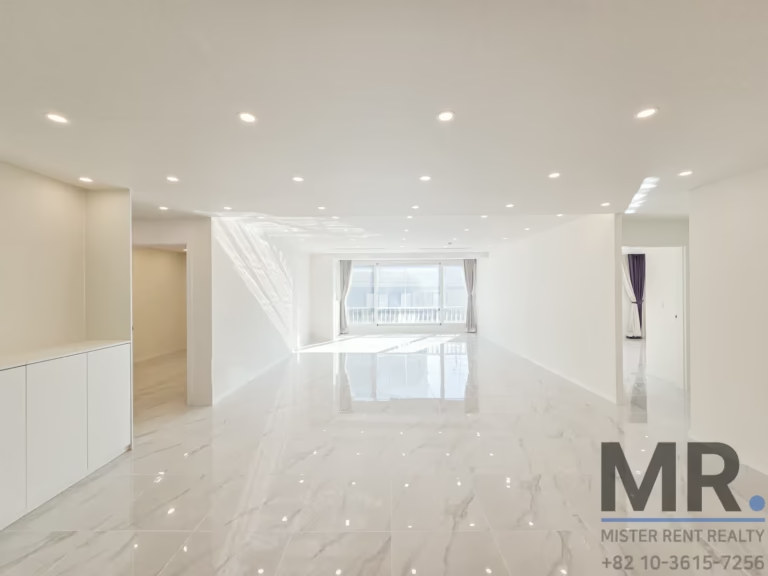
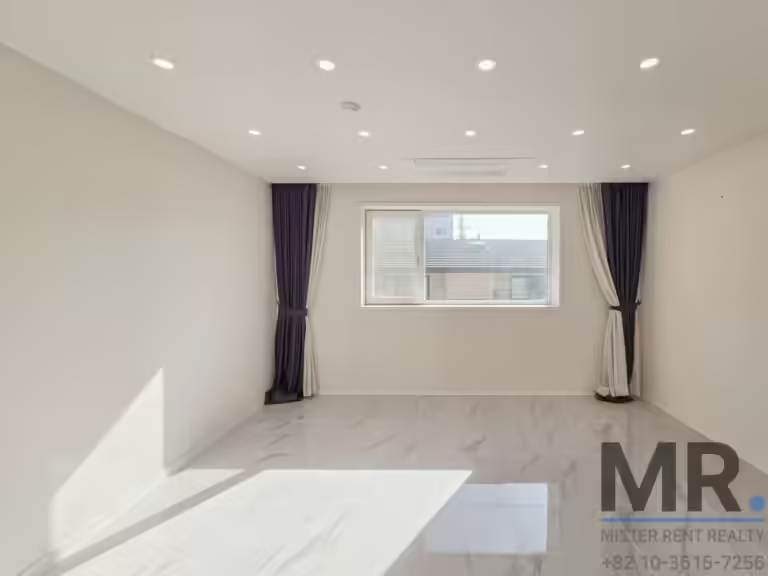
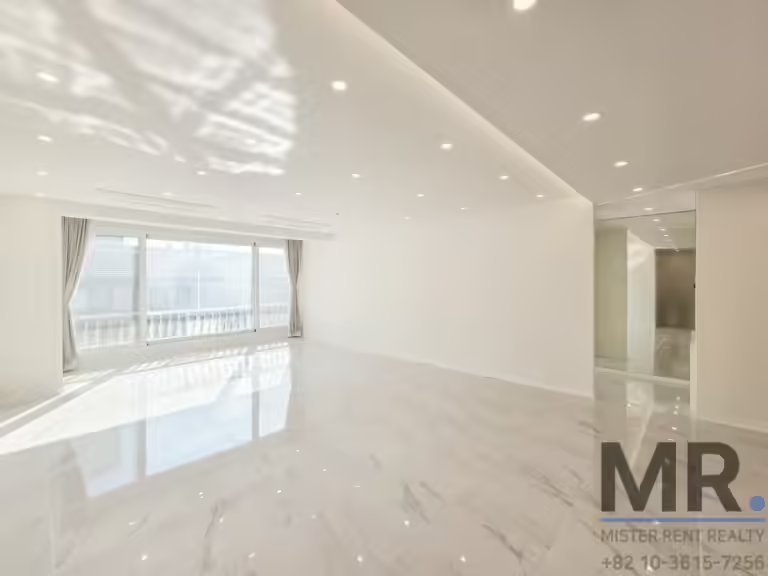
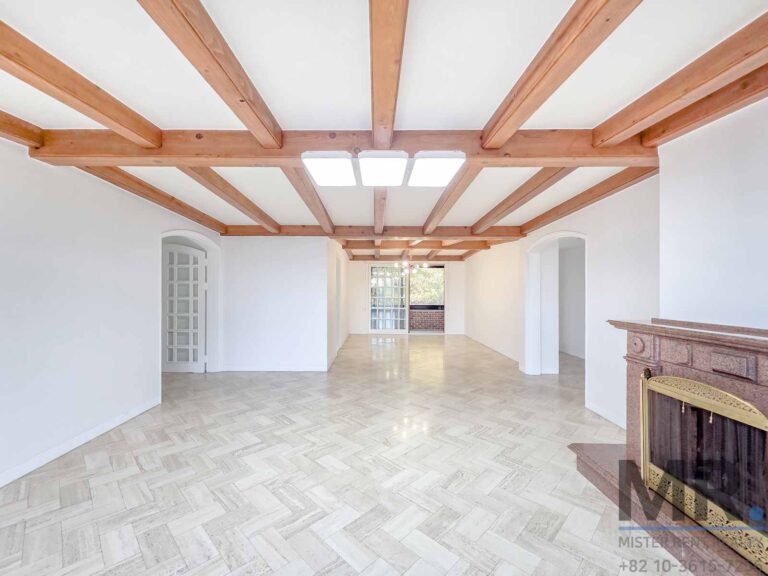
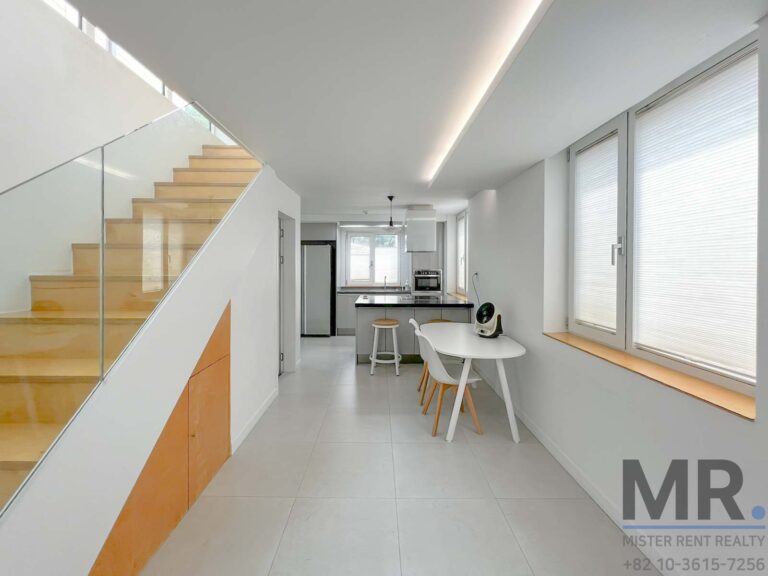
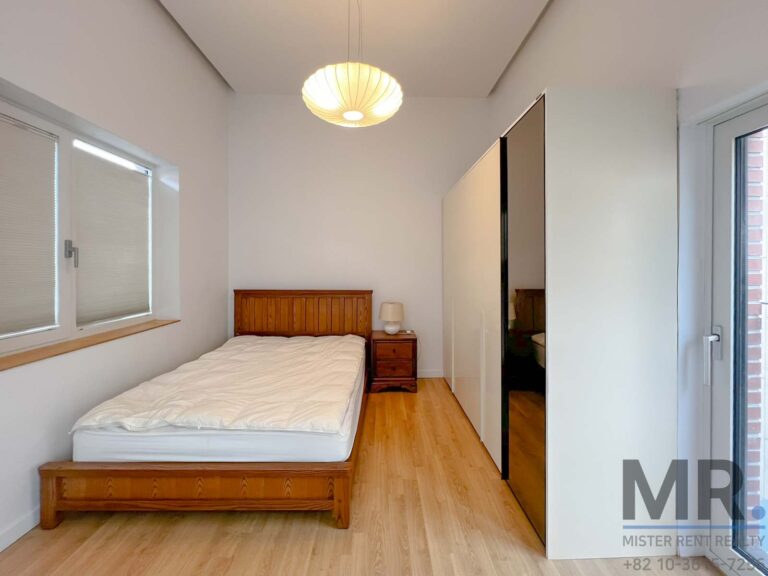
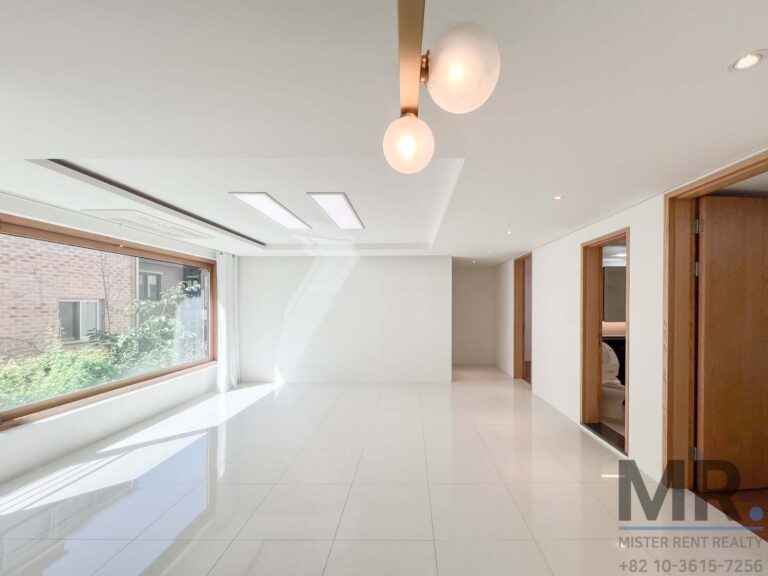
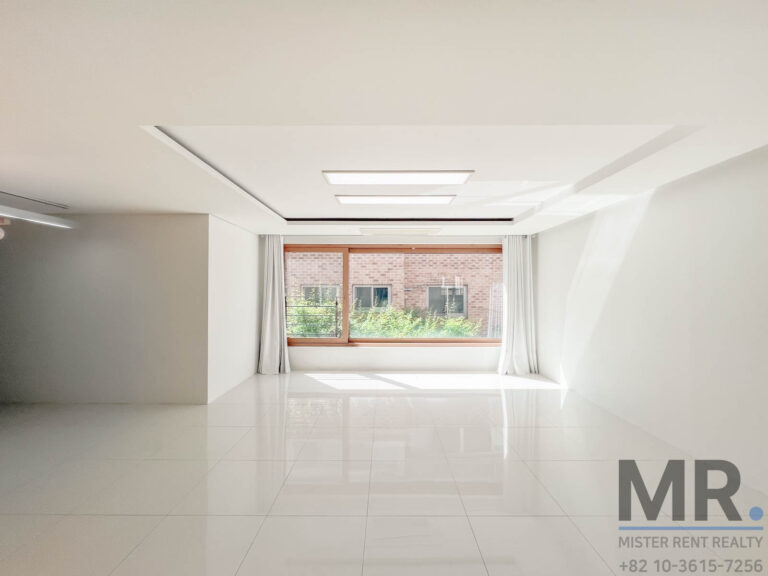
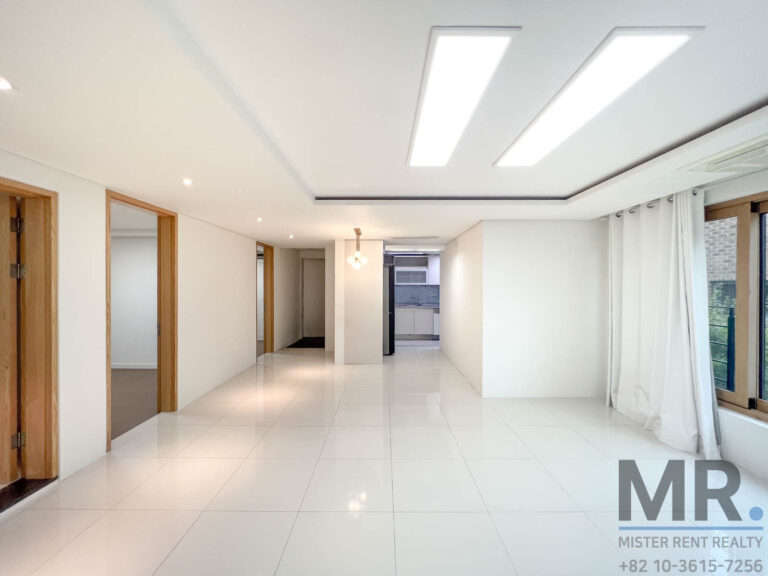
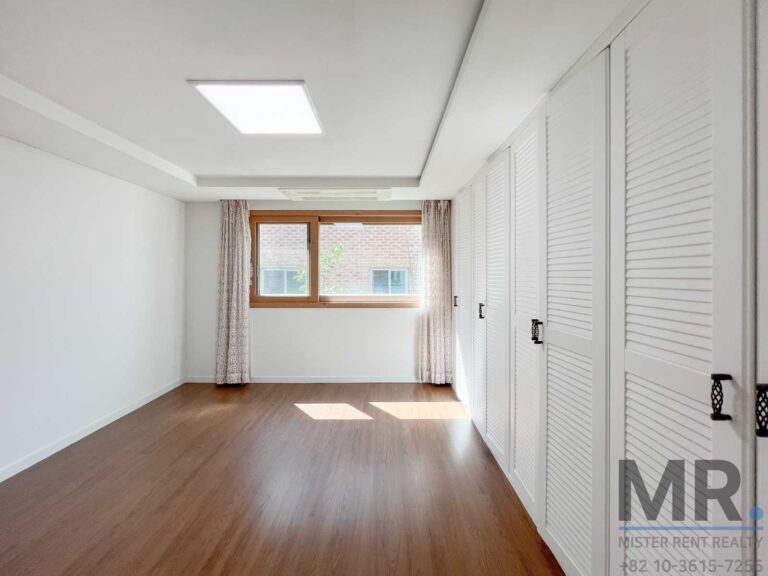
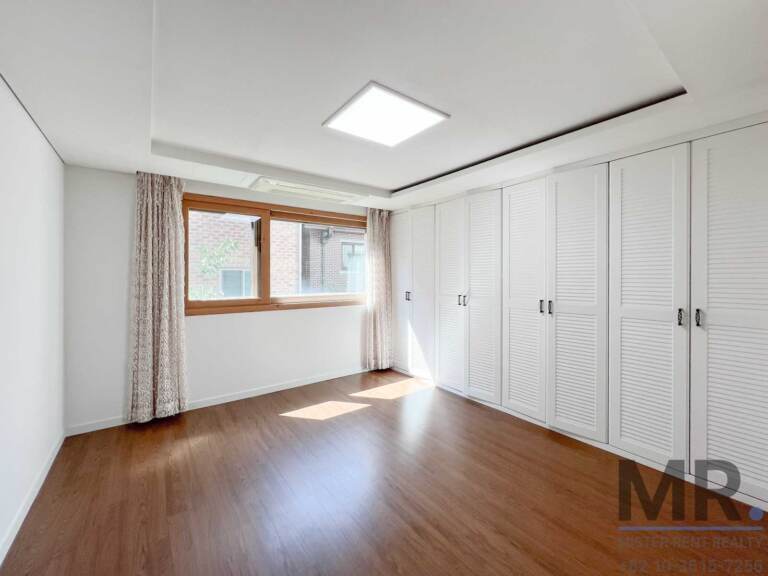
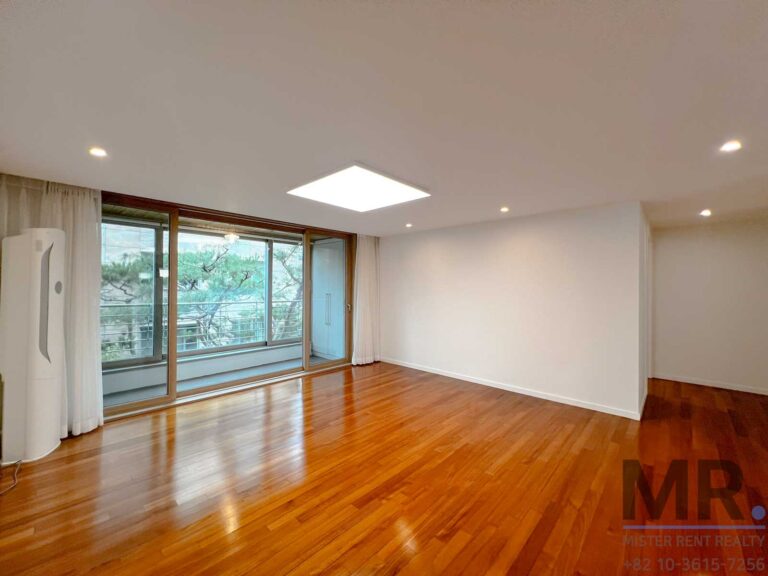
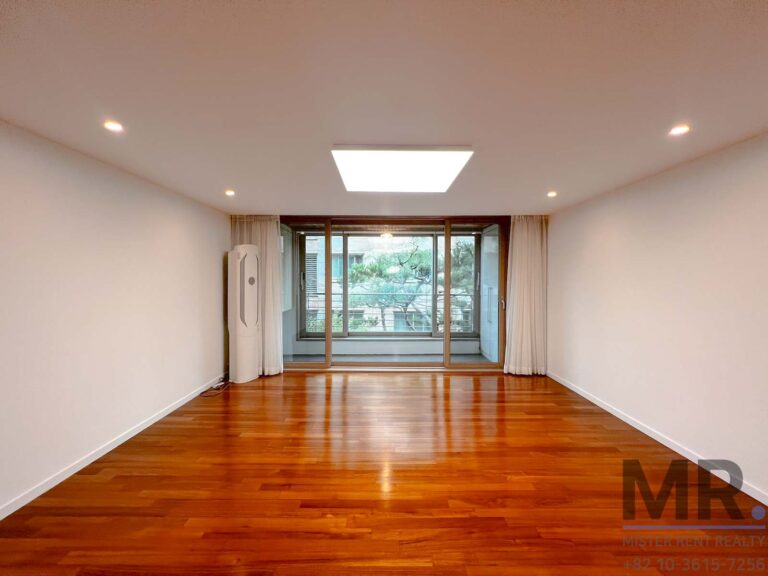
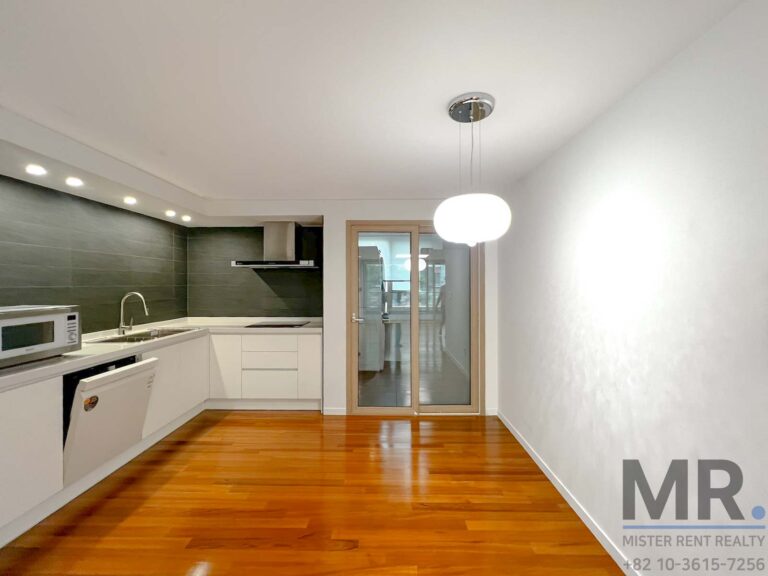
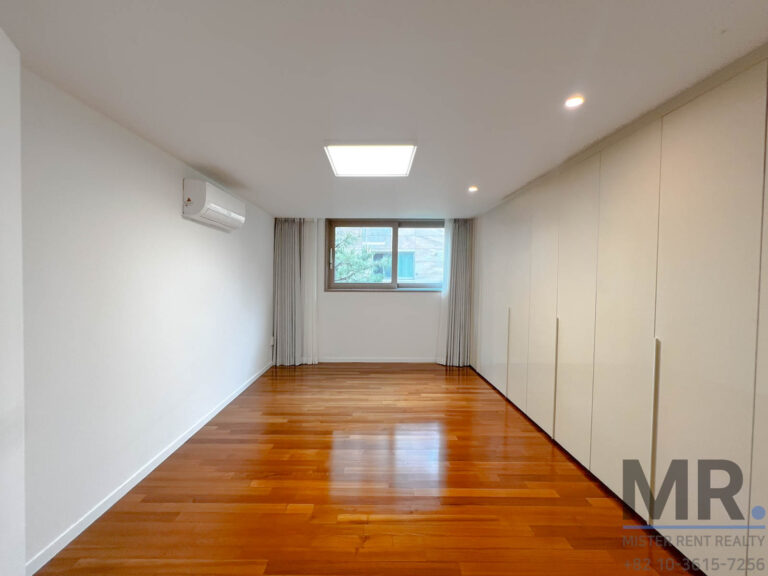
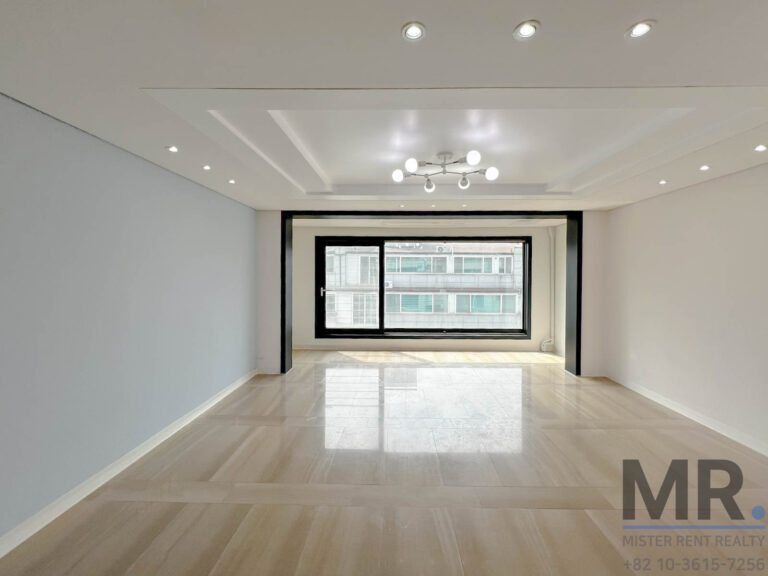
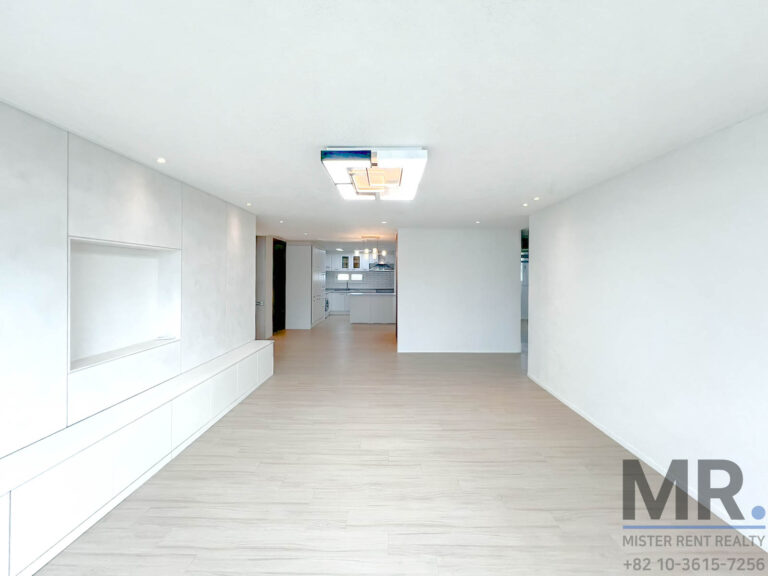
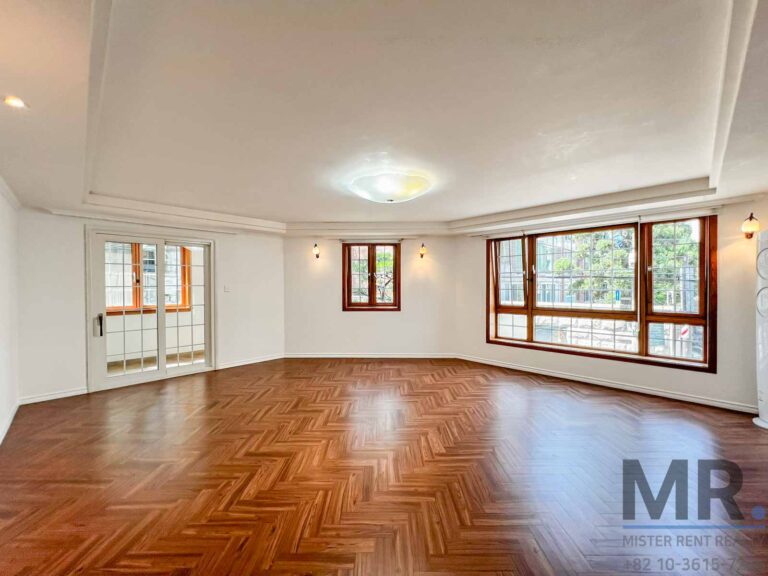
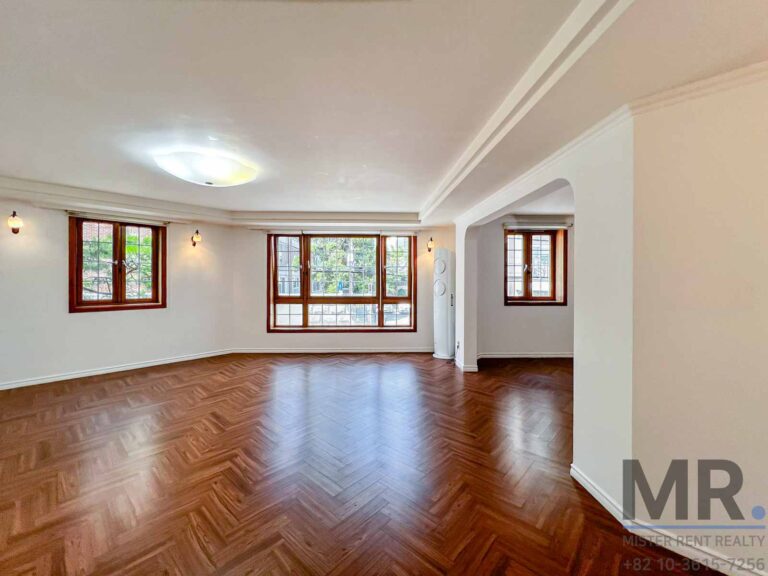
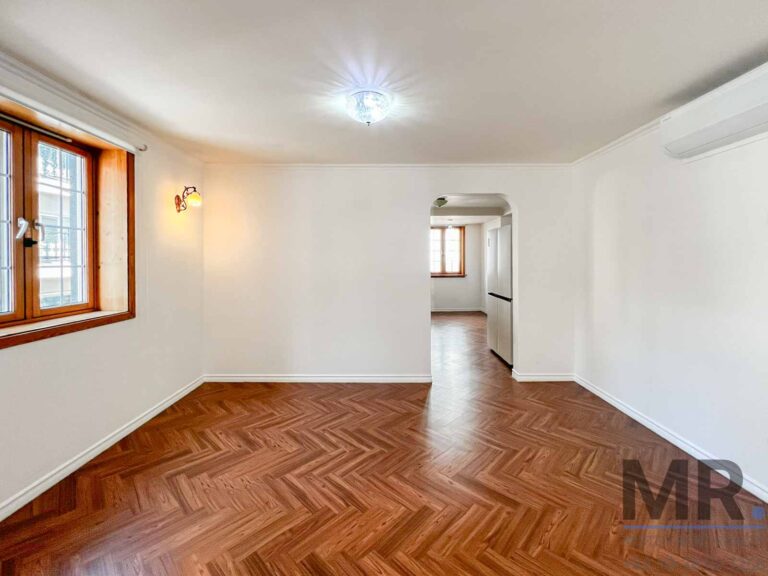
Homes near Dulwich College Seoul
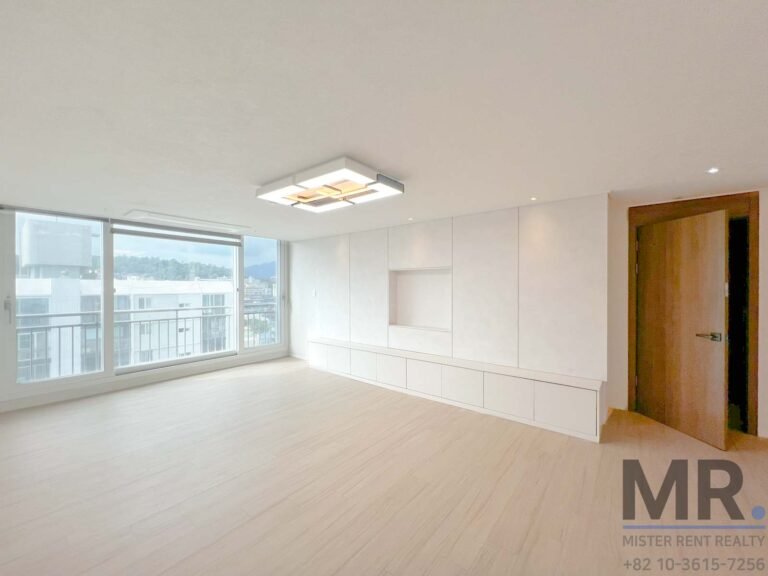
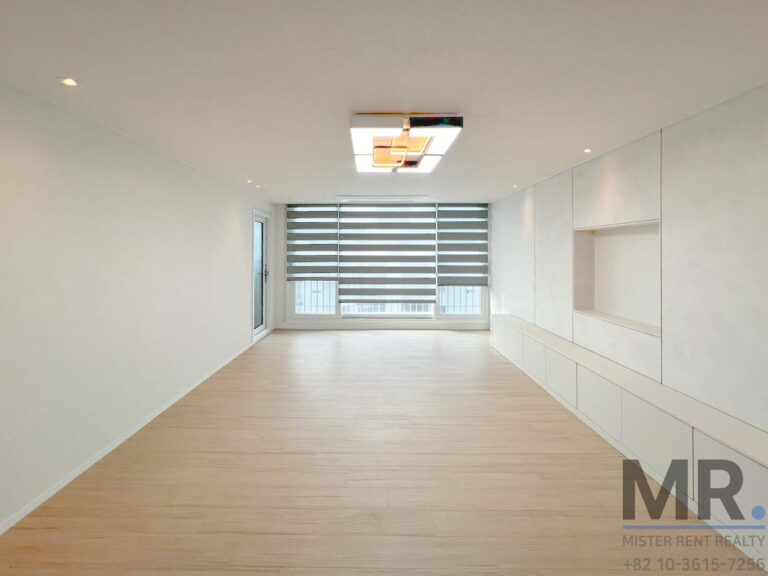
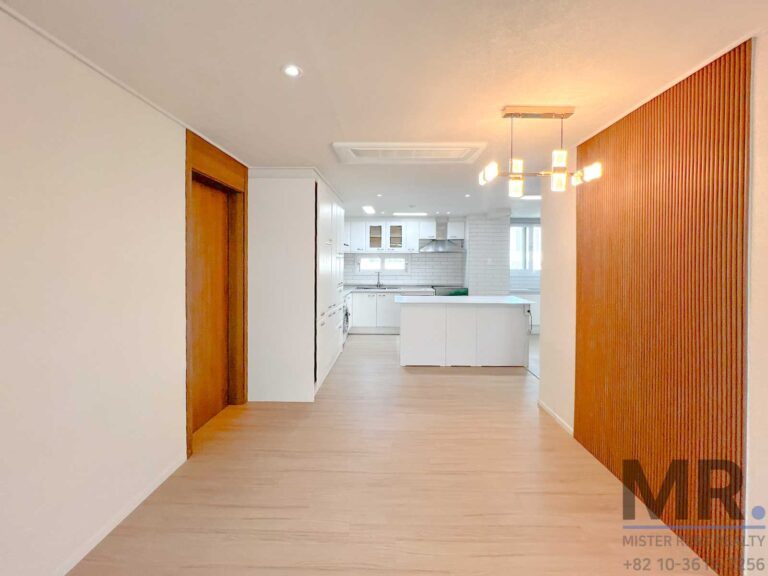
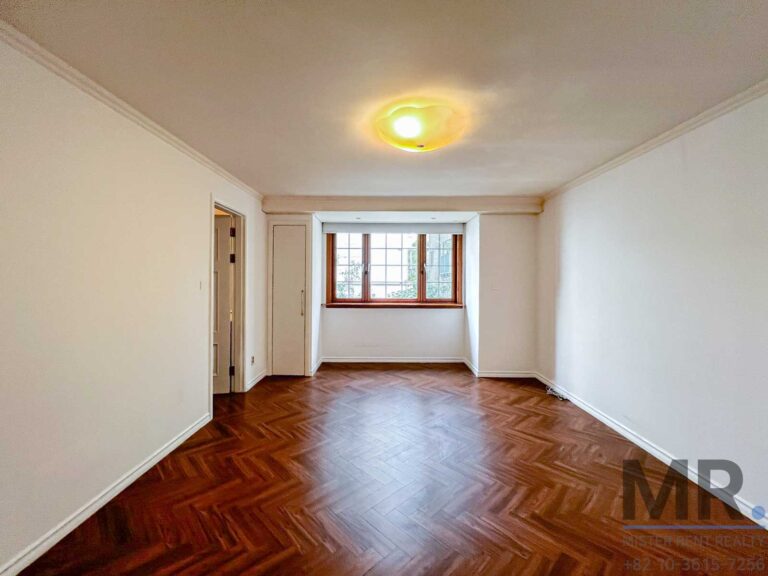
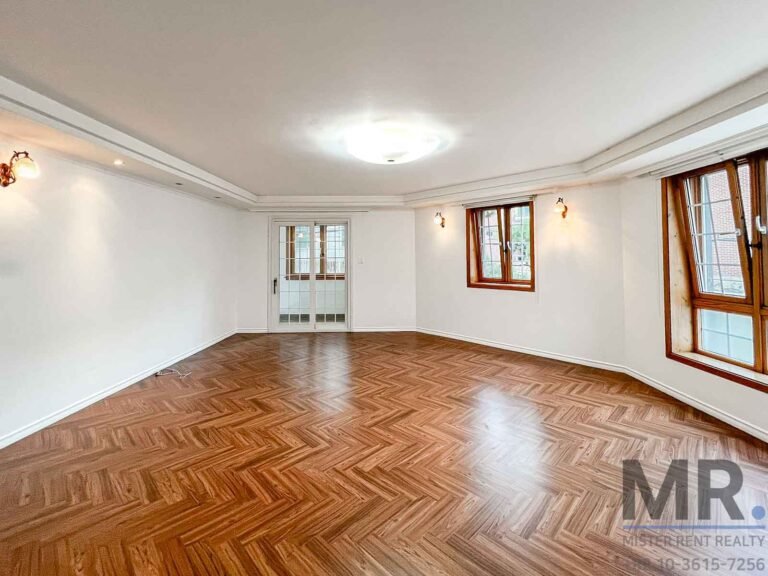
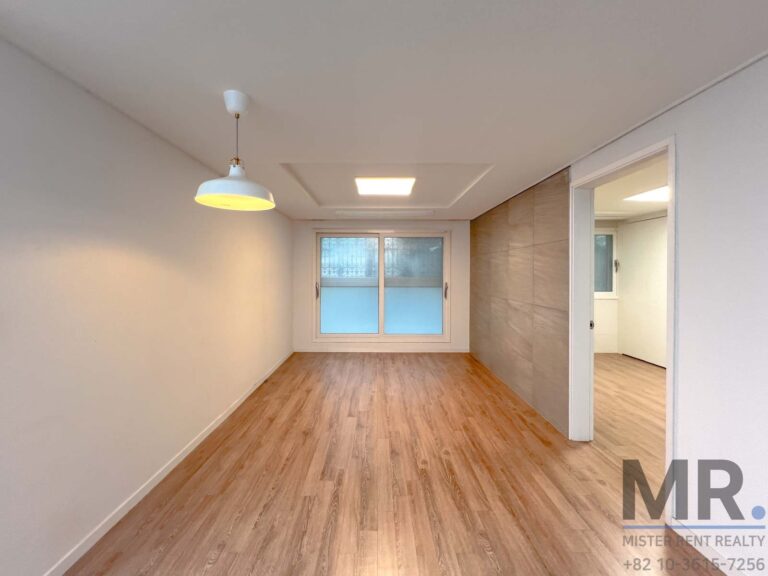
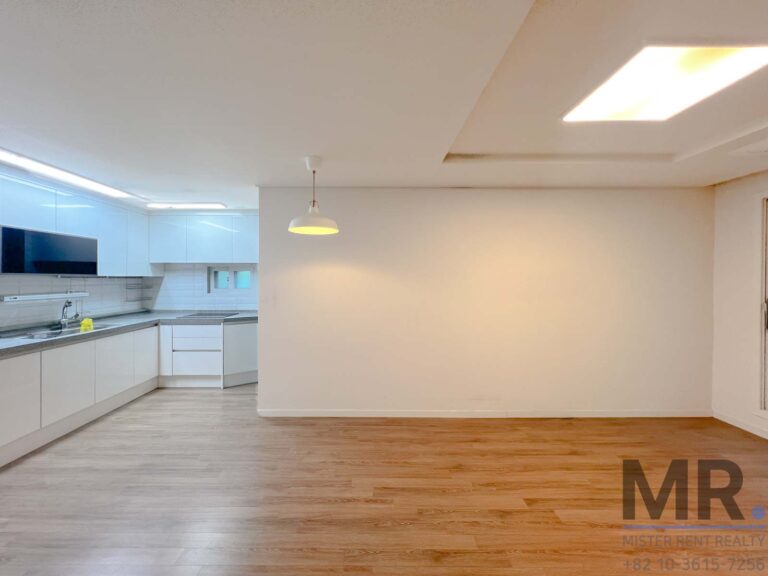
Families at Dulwich College Seoul often look for homes in Seorae Village and Banpo. Read our guides to living in Banpo and living in Bangbae, or browse homes near Dulwich College and LFS. Tell us your child’s start date and we will shortlist homes that fit the school schedule.